Garden Clearance in Ilford

Garden Clearance Ilford provides a practical way to clear outdoor spaces of accumulated waste, tangled growth, and unwanted materials so the garden can be used with less clutter and less effort. The service is centred on ordinary residential and commercial garden work, with attention to removing green waste, old timber, broken outdoor items, and mixed debris that may have built up over time. It is designed for customers who want a straightforward clearance service rather than a long disruption or a piecemeal approach.
Our garden clearance work can cover seasonal tidy-ups, post-project clearance, and one-off removal of items that no longer belong in the space. That may include cut branches, hedge trimmings, soil, plant waste, fencing offcuts, plant pots, damaged furniture, and general garden rubbish. When arranged carefully, the process helps leave the area safer to walk through, easier to maintain and better prepared for the next stage of use, whether that is replanting, landscaping or simple day-to-day enjoyment.
For a clear quotation, use the contact details on the site and request a price for the work you need. If you already know the type of clearance required, sharing a short description is usually enough to begin.
Garden waste removal and mixed outdoor items
Garden clearance is rarely limited to one category of waste. In many gardens, the main job is a mix of green waste and bulky pieces that cannot simply be bagged and moved in one sweep. A useful service needs to account for branches, hedge clippings, weeds, turf, broken planters, and the awkward items that often sit by a shed or fence line. Removing these together can make the overall job more efficient and reduce the need for several separate clear-outs.
Where space is limited, we can plan the removal so that the main access routes stay workable while the waste is gathered and loaded. That approach matters when items are spread between the lawn, patio, side passage and rear boundary. It also allows the clearance to proceed in a way that suits the property, rather than forcing the customer to move everything into one pile beforehand. A neat collection point can help, but the essential work is still the careful removal of the waste itself.
Common garden clearance tasks often include:
- Bagging and removing green waste from pruning and cutting back
- Loading branches, offcuts and heavier garden debris
- Taking away broken outdoor storage, pots and ornaments
- Clearing old timber, damaged edging and unwanted hard landscaping waste
- Removing mixed rubbish left after outdoor works or end-of-tenancy tidy-ups
Preparing your garden clearance

Before a clearance is arranged, it helps to think about what should stay, what should go, and whether there are any access issues around gates, narrow paths or rear entrances. A short inventory is often more useful than a long explanation because it gives a clearer sense of whether the job is mainly green waste, bulky garden furniture, or a wider mix of outdoor rubbish. If certain items are delicate or should be handled separately, it is sensible to mention that at the same time.
Photographs can also help when a quotation is being prepared, especially where the garden contains several piles, hidden corners or waste that is not visible from one position. Good pictures show the scale of the work and the different materials involved. If the clearance is linked to another project, such as hedge cutting, fencing replacement or landscaping, describing the finished result you want can also make the estimate more accurate. Clear information at the start often helps the job run smoothly.
Once the arrangement is set, the actual day of clearance is usually simpler when the waste is reachable and any items to keep are clearly separated. That does not mean the garden needs to be tidied in advance; it simply means that the team can work more efficiently if the boundaries of the job are obvious. For a prompt start, send the key details and ask for a quotation when you are ready.
Areas of the garden that often need attention
Different parts of a garden tend to generate different kinds of waste, and a clear service should be able to handle those distinctions without making the process complicated. Borders can collect weeds, dead plants and prunings; lawns may carry turf, moss or cuttings; patios often gather broken pots, swept-up debris and old outdoor items. Sheds and side returns can become storage points for materials that no longer have a proper use. A good clearance takes account of the whole space rather than isolating one corner.
Some customers need help after a period of neglect, while others only need a brief tidy after a burst of work in the garden. In both cases, the aim is to remove what has been accumulated and leave a cleaner, more usable area. That can include hard-to-manage items such as wet branches, bags of soil, collapsed screening, or damaged features that are too awkward to move without help. The service is flexible enough to deal with routine waste and the heavier remnants of outdoor projects.
Our work is focused on removal, sorting and loading. If there are items that should be assessed before they are moved, or if waste is mixed with reusable garden materials, we can allow for that in the quotation stage. This is often the best way to avoid confusion on the day.
What can be included in a garden clearance

Garden clearance can involve more than just green waste. Many customers need a broader service that includes outdoor furniture, old plant containers, broken decorative pieces, timbers, and the remains of small repairs or removals. A patio clearance might, for example, require cracked slabs, rubble fragments and unwanted storage items to be taken away together. A more overgrown space may contain both plant waste and hidden rubbish that only becomes visible once the surface growth is lifted.
Where the work includes heavier or awkward materials, the approach may need to change according to weight, volume and ease of access. Soil, stone and wet green waste can be more demanding than dry trimmings, and mixed loads usually take longer to separate and load. That is why it is useful to describe the balance of materials when asking for a quotation. The more accurately the job is described, the easier it becomes to set expectations and schedule the work properly.
If you are deciding what to include, it can help to think in practical categories: plant waste, bulky outdoor items, hard garden materials and general rubbish. Some jobs will contain all four; others will only need one or two. The purpose is to clear the space efficiently while keeping the job proportionate to the actual amount of material present.
Recycling and disposal choices
Garden clearance often produces a varied load, so the disposal method depends on what is collected. Green waste may be handled differently from timber, plastics, metals or inert materials such as rubble and broken paving. In practice, a sensible clearance service separates what can be sent for recovery from what needs different treatment, rather than treating every item as the same. That makes the process more orderly and supports better waste handling overall.
Customers sometimes want to know whether an outdoor clear-out should be treated as garden waste, general rubbish, or a mixture of both. The answer is usually the latter, especially when the garden has accumulated items over time. The useful distinction is not academic; it is about how the load is prepared, lifted and removed. By identifying the main material types early, the work can be planned in a way that avoids delays or unnecessary return visits.
We can also discuss whether some items should be kept aside for separate handling. A concise description of the waste often gives enough detail to decide whether the clearance is straightforward or whether it needs a more tailored arrangement. If you are unsure, a brief note is usually enough to begin the quotation process.
Pricing factors for garden clearance
Quotation work for garden clearance usually depends on practical factors rather than a one-size-fits-all formula. The amount of material, the type of waste, the ease of access and the time needed to load everything all affect the final figure. A small pile of light trimmings is not the same as a full garden containing branches, old fencing, bags of soil and a broken shed panel. Clear pricing works best when those differences are made visible from the start.
It is also worth thinking about whether the job is a single load or a larger clearance that needs more time in the garden. Narrow access, stairs, long carries, heavy items and separate waste types can all change the workload. If the clearance is linked to a larger project, such as a move, renovation or landscaping plan, it may be sensible to mention that so the estimate reflects the real scope. That way, the price is based on the job rather than guesswork.
For a better quotation, send a short description and ask for a straightforward assessment. That gives the clearest starting point. If the work involves several different parts of the garden, it can help to note which areas are most cluttered and which items are the heaviest.
About Ilford
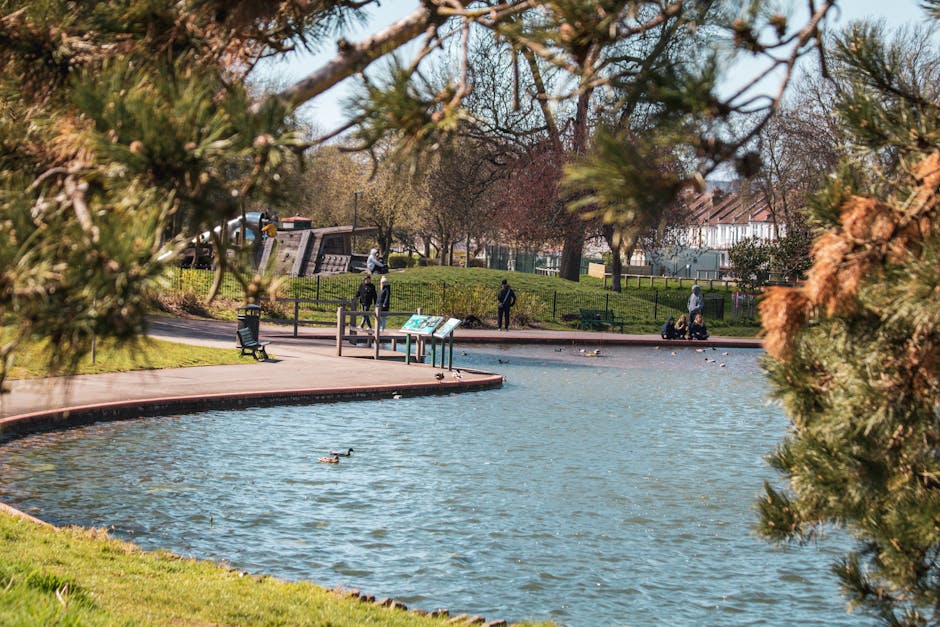
Ilford is a major town in east London and the administrative centre of the London Borough of Redbridge. It developed significantly during the nineteenth century, especially after the arrival of the railway, which helped transform it from a smaller settlement into a busy suburban centre. The town today is known for its layered urban character: older streets sit alongside later shopping areas, civic buildings and residential districts that reflect different phases of growth. Central Ilford includes prominent roads, commercial premises and transport connections, while nearby neighbourhoods contribute a varied local pattern rather than a single uniform townscape. The area is closely associated with the River Roding corridor and with large green spaces in the wider borough, including Valentines Park, which is one of the most notable open areas nearby. Historic buildings such as Valentines Mansion also form part of the local landscape, linking the present-day town to earlier estates and development patterns. Ilford’s cultural life is shaped by a long history of migration and change, and that is visible in its shops, places of worship, food businesses and everyday street life. The town centre has continued to evolve through regeneration, retail change and transport-oriented development, while retaining a recognisable local identity. As a result, Ilford combines dense urban activity with easy access to parkland, residential streets and waterways, giving it a character that is both practical and distinctly east London.
Household garden clearances and larger outdoor projects

Some garden clearances are closely tied to household changes. A move, a refurbishment or a long-delayed tidying project can leave the outdoor area with more waste than expected, and the garden may need to be cleared before anything else can happen. In those situations, the work often includes a combination of garden rubbish, old storage items, and neglected outdoor materials that have gathered in corners over time. The service can be scaled to suit the size of the space and the amount of debris present.
Larger outdoor projects often create mixed waste rather than neat, single-purpose piles. For example, removing old borders, lifting damaged timber, or cutting back dense growth can produce both bulky and loose material that has to be collected in stages. The practical value of the clearance lies in bringing those pieces together, taking them away and leaving a space that can be used again. That outcome matters whether the garden is being prepared for new planting, a patio refresh or simply a cleaner appearance.
When comparing your options, remember that a good clearance service should match the nature of the waste, not force every job into the same description. It is often the mix of materials that determines the work involved. If you are ready to proceed, a plain-text enquiry or quotation request is a good place to begin.
Garage, shed and side-return waste linked to the garden
Outdoor clearances often extend beyond the lawn or beds and into adjacent storage spaces. Sheds, garages and side returns can become holding areas for items that no longer belong in the garden but still need to be removed as part of the same job. Old tools, broken shelving, empty containers, spare timber and damaged outdoor equipment may all sit alongside garden waste. Clearing these areas together can save repetition and create a more complete result.
In some properties, access to the garden is only possible through a garage, passage or side path. That means the clearance has to be planned around the route as well as the waste itself. Careful handling matters where items are large, awkward or dirty, and it also matters where a narrow path could be obstructed by stacked materials. The goal is to move the waste out in an orderly way without turning the property into a temporary holding area.
If you have a mix of garden rubbish and storage clutter, say so in the quotation request so the job can be assessed properly. A short note about the main item types is enough to make the estimate more accurate and to avoid unnecessary back-and-forth.
Planning a sensible garden clearance

A sensible clearance starts with an understanding of the space and the materials involved. The task may seem straightforward at first glance, but the practical detail matters: a garden that has been cut back can reveal hidden waste, while a neat patio may still contain several categories of unwanted items. Good planning does not mean overcomplicating the job; it simply means recognising how the waste is arranged and what sort of handling it will need. That keeps the work efficient and proportionate.
For many customers, the most helpful step is to group similar items together where possible, then describe the rest in a short message. If there are unusually heavy materials, awkward access points or items that should be treated separately, mentioning them upfront helps the quotation reflect the real job. This is also the stage to decide whether the clearance is for a one-off tidy, a full outdoor reset or a more substantial removal. Simple information usually gives the clearest result.
When you are ready, ask for a quotation and outline the garden clearance you need in Ilford. We can then consider the type of waste, the scale of the work and the best way to approach the removal. That is often the quickest route to a practical plan.