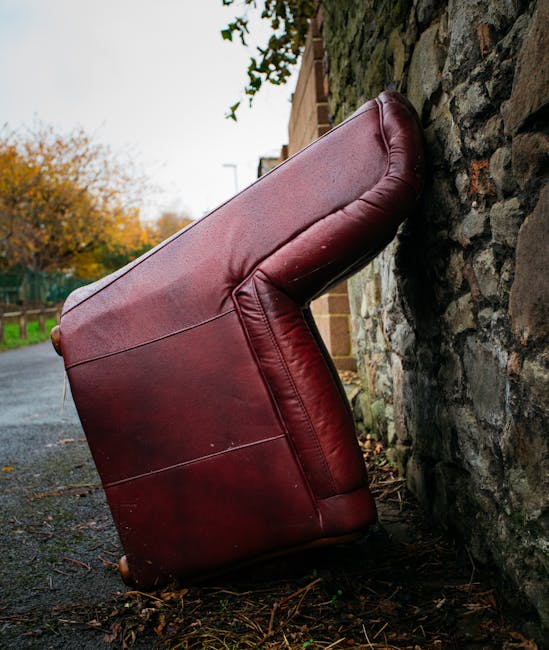
Valentines Park bulky rubbish collection and garden clearance
If you are dealing with a pile of old furniture, broken shed panels, hedge cuttings, soil bags, or a garden that has got a bit out of hand, Valentines Park bulky rubbish collection and garden clearance can make the whole job feel manageable again. It is one of those tasks that looks simple from the street, then quickly turns into a messy half-day with awkward lifting, brambles, and a van that is never quite big enough.
This guide breaks down what the service involves, how it typically works, what to watch out for, and how to choose the right approach for your home, rental, or business premises nearby. We will also cover practical planning tips, local best practice, and a few mistakes people make when they try to clear everything themselves. Let's face it, nobody enjoys staring at a mountain of waste after a weekend tidy-up.
Why Valentines Park bulky rubbish collection and garden clearance Matters
Bulky rubbish and garden waste are different problems, but they often arrive at the same time. A garden clearance might uncover rotting timber, an old barbecue, cracked pots, and a wheelbarrow that has seen better days. A property clearance might expose outdoor items such as broken chairs, mattresses, fencing offcuts, or general junk that has quietly built up over months. In and around Valentines Park, where many households are balancing busy routines, limited storage, and tight access, a proper clearance service can save a huge amount of stress.
The real value is not just removing rubbish. It is restoring usable space, improving safety, and making the property feel cared for again. A tidy front path, a clear patio, or a reclaimed lawn area changes how a place feels. You notice the difference straight away. Morning light on a clean garden is a lot nicer than looking at a sagging pile of waste bags, that much is certain.
There is also a practical side. Garden waste left too long can attract pests, become slippery in wet weather, and make routine maintenance harder. Bulky items can block access, trip people up, and create unnecessary fire risk if they are stored in awkward places. For landlords, letting agents, and homeowners preparing for viewings, these issues can affect first impressions more than people expect.
For anyone comparing clearance services, it helps to think about the wider picture too. Some jobs need pure waste removal, while others benefit from a broader service such as garden clearance, house clearance, or even home clearance when the clutter has spread indoors and outdoors. Choosing the right scope from the start usually makes the process smoother and less expensive.
How Valentines Park bulky rubbish collection and garden clearance Works
Most clearance jobs follow a similar pattern, even if the size of the pile changes wildly from one property to the next. The first step is usually a description or assessment of what needs removing. That can be done with photos, a call, or an in-person visit depending on the complexity. If the waste includes mixed materials, heavy items, or anything awkward to access, a clearer description helps avoid surprises on the day.
Once the scope is understood, the team plans the load, access route, and disposal method. This matters more than many people realise. A narrow side passage, a locked gate, a flight of steps, or wet ground after rain can change the time and effort required quite a bit. In practical terms, the work usually involves safe lifting, sorting, loading, and then taking the waste to the appropriate disposal or recycling route.
Garden clearance often includes green waste such as branches, grass cuttings, leaves, soil, and hedge trimmings, but it can also involve mixed rubbish from sheds, patios, and borders. Bulky rubbish collection covers larger items like furniture, timber, appliances, and general household waste. If the job includes broken furniture, it may sit alongside furniture disposal or furniture clearance depending on what is being removed.
A useful way to think about it is this: clearance is part logistics, part labour, and part sorting. Anyone can drag a few bags to the kerb. The harder part is handling mixed waste responsibly, keeping the site safe, and making sure the right items are separated for recycling where possible.
Key Benefits and Practical Advantages
The obvious benefit is that the waste disappears. But the less obvious benefits are often the ones people remember later.
- Faster turnaround: A professional clearance can deal with jobs in a single visit rather than stretching over several weekends.
- Safer lifting and handling: Heavy or awkward items are moved with the right approach, which reduces the chance of injury.
- Better recycling outcomes: Mixed waste can be separated more carefully than if everything is simply thrown together.
- Less disruption: Instead of repeatedly loading a car or borrowing a trailer, the job is handled in one organised sweep.
- Improved kerb appeal: This matters for homes on the market, rental refreshes, and properties that need a tidy first impression.
There is a psychological lift as well. Clutter creates background stress. It sits there quietly, then suddenly becomes the thing you keep avoiding. Once the bulky rubbish and garden waste are gone, the whole space feels easier to manage. People often say they "can breathe again" after a clearance. Bit dramatic? Maybe. Also true.
Another practical advantage is flexibility. If your garden has a few different waste types, a proper clearance service can often combine them into one visit rather than splitting the work into separate arrangements. That can be especially useful if you are also dealing with outdoor furniture, storage items, or leftover debris from a garden project.
For larger or mixed clearances, it is also worth looking at related services such as waste removal and builders waste clearance if the garden work involved landscaping, paving, or shed removal. Different waste streams need different handling, so matching the job to the right service avoids confusion later.
Who This Is For and When It Makes Sense
This type of service is useful for a surprisingly wide range of people. Homeowners use it after a big seasonal tidy-up, moving house, or finally tackling the shed. Landlords use it between tenancies, especially when a tenant leaves behind garden clutter or bulky household items. Letting agents and property managers may need it when preparing a rental for new occupants. Small businesses with rear yards, storage areas, or outdoor waste build-up can also benefit.
It makes sense when the job is too big for normal bins, too heavy for one person, or too mixed to manage without a proper plan. If you have branches, broken fencing, old tables, soil, plant pots, and random junk all in one space, then trying to sort it alone can drag on for hours. Sometimes days. Nobody wants that on a damp Sunday afternoon with the smell of wet leaves hanging in the air.
It also makes sense when safety or access is a concern. Heavy wardrobes, rusted metal, broken glass, or unstable piles of rubbish should not be moved casually. And if you are dealing with a property that has stairs, tight corners, or limited parking, a team that knows how to work around access issues can save a lot of hassle.
If the project is broader than just the garden, the job may overlap with garage clearance, loft clearance, or flat clearance. Those services are worth considering where the clutter is spreading beyond the outdoor space and into the rest of the property.
Step-by-Step Guidance
If you want the process to go smoothly, a bit of preparation goes a long way. Here is a simple, practical way to approach it.
- Walk the site slowly. Look at every pile, corner, border, shed, and path. Small items add up quickly.
- Separate obvious categories. Put green waste, wood, furniture, and general rubbish into rough groups if you can.
- Check for anything reusable. Some items may be suitable for donation, resale, or separate disposal. Don't assume every old thing is junk.
- Watch for hidden hazards. Broken glass, nails, syringes, mouldy material, chemicals, and unknown liquids should be flagged early.
- Measure access. Note gates, steps, parking, and whether the team will need to carry items a long way.
- Share clear photos or a list. Good information at the start prevents guesswork.
- Decide what "done" looks like. Full clearance, swept-up area, or just removal of selected items? Be specific.
A small but useful habit is to keep a notepad or phone list while you tidy. It sounds basic, but it stops the classic "oh yes, and that pile behind the shed" moment that appears halfway through the job. That one line can change everything.
If you are comparing services, you might also want to look at pricing and quotes before you book. Clear pricing structure matters, especially when access is awkward or the load is mixed. It is always easier to sort details before the van arrives than after.
Expert Tips for Better Results
One of the best things you can do is group waste by removal difficulty rather than by where it happened to land. For example, long timber offcuts, thorny branches, and heavy wet soil are all very different to move. Keeping like with like helps the job flow. A surprising number of delays come from waste being scattered across the garden in tiny pockets.
Another tip: clear a route before the team arrives. Move bikes, hosepipes, plant stands, pet items, and anything sentimental out of the way. It sounds obvious, but in the real world people forget. Then spend ten minutes trying to find the right pair of gloves while standing on a rake. You get the picture.
If you know there are items you want to keep, mark them plainly. A simple "do not remove" note on a plant tub or storage box can prevent awkward mix-ups. The same applies to shared spaces in terraces or flats, where boundary lines can be less obvious than you'd like.
For mixed clearances, ask whether the material can be handled in line with the company's recycling and disposal approach. A responsible provider should be able to explain how different waste types are separated or routed. If you are looking for a broader view of that process, recycling and sustainability is a helpful page to understand how a well-run clearance operation should think about waste streams.
Finally, think about timing. Dry weather makes garden work simpler, but don't wait forever just for the "perfect" day. Early action often beats perfect weather. The garden never really gets better by being ignored, unfortunately.
Common Mistakes to Avoid
The first big mistake is underestimating volume. A garden looks small until you start loading it. A hedge cutback can create bags and branches far faster than people expect, and bulky rubbish seems to multiply once you drag it into the open.
The second mistake is mixing hazardous or specialist items into general waste. Paint, chemicals, gas cylinders, certain electrical items, and some sharp or contaminated materials may need separate handling. If you are not sure, it is better to ask before anything is loaded. Guessing is not a good plan here.
Another common issue is forgetting access. People book a clearance and then realise the side gate is padlocked, the driveway is full, or the nearest parking is a long walk away. None of that makes a job impossible, but it does affect planning. And planning, truth be told, is half the job.
Some people also leave everything until after they have started a big garden project. Then the waste piles up, tools get lost under rubble, and the whole area becomes harder to manage. It is usually smoother to arrange a clearance either before the project begins or immediately after the messy stage ends.
One more thing: do not assume every service will handle every type of waste in the same way. Some jobs sit neatly within garden clearance, while others are better treated as part of a larger waste removal job. Matching the service to the actual waste saves disappointment later.
Tools, Resources and Recommendations
You do not need a shed full of specialist tools to prepare for a clearance, but a few simple things help.
- Heavy-duty gloves: Useful for collecting sharp twigs, broken plastic, and rough timber.
- Strong bin bags or rubble sacks: Better for leaves, clippings, and smaller mixed waste.
- Tarp or sheet: Handy for keeping grouped waste in one place, especially if the ground is damp.
- Pruning shears or loppers: Good for reducing branch volume before collection.
- Basic labels or notes: Very useful for separating keep items from remove items.
As a practical recommendation, photograph the waste before any stacking or moving starts. It gives you a clear record of what needs handling and helps avoid confusion if the job changes halfway through. A few quick pictures in daylight are often enough; no need for anything fancy.
You may also find it helpful to review related service pages if your job spans more than one area of the property. For example, an overfilled shed can lead into garage clearance, while a packed-out house move might involve house clearance. If there is old furniture in the mix, the dedicated furniture disposal page is worth a look too.
Law, Compliance, Standards, or Best Practice
For any bulky rubbish collection or garden clearance, responsible handling matters. In the UK, waste should be managed by people who understand how to transport, sort, and dispose of it properly. As a customer, the key point is simple: do not hand waste to anyone who seems vague about where it goes or how it is handled.
Good practice includes safe lifting, careful segregation of different waste types, and attention to items that require separate handling. That could include electrical items, sharp materials, or anything potentially hazardous. It also includes being transparent about access, load size, and any special risks on site. Honesty up front saves a lot of friction later.
If a garden clearance involves broken structures, fencing, or debris from renovation work, it may also overlap with construction-type waste. In that case, builders waste clearance may be more appropriate, or at least part of the conversation. The same goes for business premises with outdoor waste areas, where business waste removal can be a better fit.
From a safety point of view, there are a few basics worth remembering: wear suitable footwear, keep children and pets away from the work area, and do not overload small cars or bins with heavy debris. If something looks unstable, treat it as unstable. Simple, but important.
If you are choosing a provider, it is reasonable to ask about insurance and safety arrangements, how they approach risk on site, and how complaints are handled if something does go wrong. These pages help set expectations: insurance and safety and complaints procedure. Not glamorous topics, no, but very useful ones.
Options, Methods, or Comparison Table
There is more than one way to deal with bulky rubbish and garden waste. The right method depends on volume, access, urgency, and how mixed the waste is.
| Method | Best for | Pros | Trade-offs |
|---|---|---|---|
| Self-loading with a car | Very small amounts of light waste | Simple if the load is tiny | Time-consuming, limited capacity, lots of trips |
| Skip-style approach | Ongoing projects with a large volume | Useful for continuous filling over time | Needs space, may be awkward for mixed waste or access issues |
| Professional bulky rubbish collection | Heavy, mixed, or awkward loads | Fast, less lifting for you, more convenient | Needs clear description and may depend on access |
| Dedicated garden clearance | Green waste, shed debris, overgrown plots | Tailored to outdoor waste and tidy-up needs | May not cover unrelated indoor items unless agreed |
In simple terms, if the job is light and tiny, doing it yourself can be fine. If it is mixed, heavy, or awkward, a professional service is usually the calmer choice. Most people know this already, but keep hoping the waste will somehow become lighter overnight. It won't.
For some readers, the best route is a combined approach: remove selected reusable items, clear green waste, and handle bulky rubbish in the same visit. That can be more efficient than splitting everything apart. If you want to understand the company side of that process, about us gives a useful sense of how a specialist clearance provider frames its work.
Case Study or Real-World Example
Imagine a typical spring clearance near Valentines Park. A front garden has hedge cuttings piled by the fence, a broken rattan chair sitting in the corner, two sacks of soil from a recent planting job, and an old wooden bench that has started to splinter. The back area has a half-empty shed with damaged shelving and a stack of cracked plant pots. Nothing is dramatic on its own. Together, though, it feels like a project that keeps expanding.
A sensible approach would be to sort the waste by type before collection: green waste in one area, timber and furniture in another, and smaller mixed items bundled safely. Access would be checked first so the route through the property is clear. If there is anything uncertain - a can of old product, sharp metal, or something that might be electrical - it would be separated rather than thrown in with the rest.
The useful bit here is not the dramatic before-and-after photo. It is the fact that the job becomes straightforward once the waste is grouped properly. What looked like four separate problems becomes one organised clearance. That is the whole game, really.
In a slightly bigger property, the same pattern might also involve garage clearance or home clearance if the owner decides to deal with indoor clutter at the same time. That often makes the overall result feel cleaner and more complete.
Practical Checklist
Use this checklist before your collection day. It keeps things calm and avoids last-minute scrambling.
- Walk the garden and identify every item to be removed.
- Separate green waste from bulky rubbish where possible.
- Flag anything hazardous, sharp, heavy, or uncertain.
- Check gates, parking, steps, and access routes.
- Move keep items well away from the clearance area.
- Take photos of the load and any awkward access points.
- Confirm whether you need garden clearance, bulky rubbish collection, or a broader waste removal service.
- Review price details and what is included.
- Ask how recycling and disposal are handled.
- Keep pets and children away during the work.
A short prep list like this can make a huge difference. Five extra minutes now often saves an hour later. Sometimes more.
Get a free quote today and see how much you can save.
Conclusion
Valentines Park bulky rubbish collection and garden clearance is ultimately about making a property easier to live with. Whether you are tackling a neglected corner, clearing after a gardening project, or dealing with bulky items that have outgrown the bins, the right approach turns a stressful job into a workable one. You get space back, reduce clutter, and improve safety all in one go.
The best results usually come from good preparation, clear communication, and a service that understands both the practical and environmental side of the work. If your job involves mixed waste, heavy lifting, or multiple rooms and outdoor areas, it is worth taking the time to choose the right service rather than just the quickest option.
If you are ready to move forward, keep it simple: list the waste, check access, decide what stays, and ask for a clear quote. A tidy space has a way of making everything else feel a bit lighter too. Honestly, that part never gets old.
Frequently Asked Questions
What counts as bulky rubbish in a garden clearance?
Bulky rubbish usually means larger items that are awkward to put in normal household bins, such as broken chairs, benches, timber offcuts, old planters, dismantled sheds, and similar waste. In practice, many jobs include a mix of bulky rubbish and green waste.
Can garden waste and bulky items be collected together?
Yes, often they can, as long as the service is set up to handle mixed loads. It helps to separate the waste into rough groups first so the collection is quicker and the disposal route is clearer.
Do I need to bag the garden waste before collection?
Not always, but bagging smaller waste like leaves and clippings can make the job easier. Larger branches, soil, or heavy debris may be better left in manageable piles unless the provider asks otherwise.
How do I know whether I need garden clearance or waste removal?
If the job is mainly outdoor waste, plants, branches, and garden debris, garden clearance is usually the better fit. If it includes a wider mix of household junk, heavy items, or multiple waste types, a broader waste removal service may suit it better.
What should I do with broken furniture in the garden?
Broken furniture should be kept separate where possible and described clearly in advance. Depending on the item, it may sit under furniture disposal, furniture clearance, or form part of a wider bulky rubbish collection.
Is it worth combining indoor and outdoor clearance in one visit?
Very often, yes. If the garden and home both need attention, combining the work can be more efficient and less disruptive. It also reduces the number of separate arrangements you have to manage.
How should I prepare if access is tight?
Measure the route, unlock gates, move obstacles, and mention any steps or narrow passages in advance. A team can usually work around difficult access, but only if they know about it before arrival.
What happens to the waste after collection?
That depends on the material. Good practice is to sort and route waste responsibly, with recyclable items separated where possible. Green waste, wood, metal, and general rubbish are often handled differently.
Can a clearance service handle shed contents too?
Yes, in many cases. Shed contents often include a mix of tools, broken timber, pots, packaging, and old storage items, so it is useful to describe the lot clearly rather than listing only the large pieces.
How far in advance should I book a bulky rubbish collection?
As soon as you know the load and access details. For simple jobs, lead time may be short. For larger or more complex clearances, booking earlier gives you more flexibility and a calmer experience overall.
What if I have only a small amount of waste?
If the amount is very small, you may not need a full clearance service. But if the waste is heavy, awkward, or mixed, a specialist collection can still be the easiest route. It comes down to effort, access, and how much time you want to spend on it.
Where can I check the company's terms and policies?
You can review the relevant service information and policies on the site, including terms and conditions, payment and security, and privacy policy. These pages help set expectations before you book.